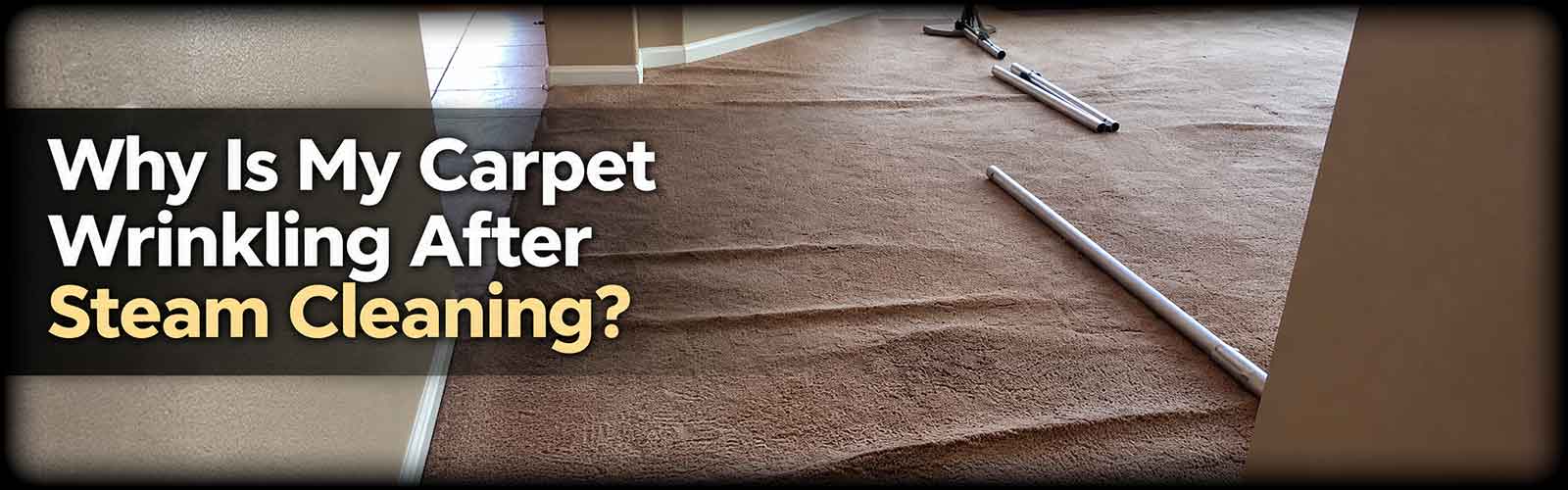
1. Excess Moisture or Extended Drying Time
If a carpet becomes overly wet or dries slowly, moisture may affect how the carpet lies against the floor.
High humidity, limited airflow, thick carpet, and damp padding can all contribute to longer drying times.
However, moisture alone does not explain every case of wrinkling.
A carpet that develops pronounced ridges may already have an installation or backing problem.
What to do: Improve ventilation, run fans if appropriate,
and follow the cleaning company's drying instructions.
Avoid pulling, stretching, or aggressively pressing on damp carpet.
2. The Carpet Was Already Loose
Carpet can gradually loosen from its tack strips due to foot traffic,
furniture movement, age, or improper installation.
When the carpet is no longer held firmly in place, it may develop ripples or raised sections.
A cleaning appointment may reveal the problem rather than cause it.
If the carpet was already loose, the wrinkles may become more apparent after the cleaning process.
What to do: Check whether the carpet had small ripples or loose areas before cleaning.
If the raised sections remain after the carpet has completely dried,
professional carpet stretching may be the appropriate solution.
3. Improper Original Installation
Carpet needs to be installed with the appropriate tension and secured correctly around the room.
If it was installed without adequate stretching, it may develop waves over time.
A carpet that was never power-stretched correctly can be especially susceptible to buckling.
Cleaning may draw attention to an installation problem that was already present.
What to do: Have a carpet repair professional inspect the affected area
to determine whether the carpet can be stretched and resecured.
4. Aging Carpet Backing or Padding Problems
As carpet ages, its backing and other components can deteriorate.
Previous moisture damage, heavy wear, or unsuitable installation conditions
may also contribute to loss of stability.
If the backing has deteriorated significantly,
simply stretching the carpet may not provide a lasting repair.
The carpet may require a different repair approach or replacement,
depending on its condition.
What to do: Have the carpet inspected before deciding on a repair.
The condition of the backing and the way the carpet is attached to the floor
help determine the best solution.
5. The Carpet Was Not Properly Secured After Previous Work
Carpet may loosen after furniture has been moved, flooring work has been completed,
or a previous repair has disturbed the edges.
If it is not properly secured and tensioned afterward, wrinkles can develop.
Steam cleaning may make these existing problems easier to notice,
particularly in high-traffic areas, hallways, and rooms where furniture is frequently moved.
What to do: Have a professional check the carpet's attachment and tension.
Depending on the damage, the solution may involve restretching,
securing an edge, or repairing a localized area.